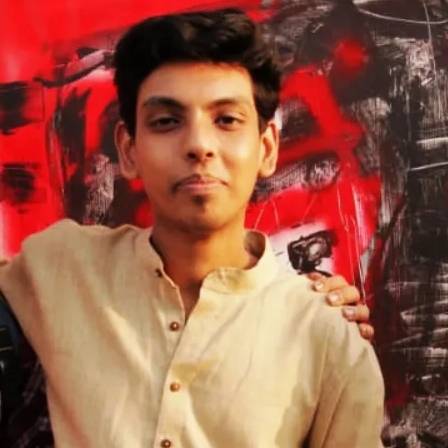
HDFC chooses Anup Baghchi as Head. But why does this decision matter?
Anup Bagchi becomes HDFC Bank’s first external CEO, taking charge as the lender navigates post-merger integration, growth, deposits and leadership changes.
HDFC Bank has a new chief executive. But the bigger story is who has been chosen to lead India’s largest private-sector lender at a particularly consequential point in its post-merger journey.
On October 1, the bank appointed Anup Bagchi as its Managing Director and CEO for three years, beginning October 27, after receiving approval from the Reserve Bank of India. He will replace Sashidhar Jagdishan, whose second term ends on October 26.
Bagchi is not an HDFC Bank veteran. He has spent most of his more than three-decade career in the ICICI Group, including as Executive Director of ICICI Bank and later as MD and CEO of ICICI Prudential Life Insurance. His appointment therefore marks the first time an external candidate will take charge of HDFC Bank.
For years, HDFC Bank's leadership transition was essentially an internal succession story. Aditya Puri led the bank for about 25 years before Jagdishan, who had joined HDFC Bank in 1996, succeeded him in 2020. Bagchi breaks that pattern. The timing makes the change more significant.
HDFC Bank is still working through the consequences of the 2023 merger between HDFC Ltd and HDFC Bank. The enlarged institution has had to rebuild its deposit base while dealing with pressure on profitability and a prolonged period of relatively weak stock performance. Reuters also notes slowing deposit growth as one of the concerns facing the bank.
The competitive picture has changed too. HDFC Bank remains India's largest private lender, but the gap with rival ICICI Bank has narrowed in market value. Mint reported that HDFC Bank's shares had fallen 25.7% since the beginning of 2026, compared with a 0.8% decline for ICICI Bank over the same period.
That makes Bagchi's background particularly notable. He is moving from the institution that HDFC Bank has historically regarded as its principal private-sector rival.
But is the challenge simply about growth?
HDFC Bank has gone through a period of leadership uncertainty. Chairman Atanu Chakraborty resigned in March, citing concerns about practices that were inconsistent with his 'personal values and ethics'. An independent legal review subsequently found no evidence substantiating those governance-related concerns, according to Reuters.
Jagdishan's decision in August not to seek a third term then triggered an unplanned succession process. The bank eventually submitted two names to the RBI — internal candidate Kaizad Bharucha and external candidate Bagchi — before the regulator approved Bagchi.
So Bagchi inherits a bank that is simultaneously dealing with scale, integration, growth and governance questions.
His own career is unusually broad for the job. At ICICI, he worked across retail and wholesale banking, transaction banking, treasury, investment banking, capital markets, technology and payments. He also served on committees associated with the RBI and Securities and Exchange Board of India.
That experience will now be tested on a much larger banking balance sheet.
The immediate priorities are clear: rebuild deposit momentum, improve profitability and growth, strengthen technology and service systems, and manage senior-management stability. Analysts cited by Mint have also pointed to retail growth, particularly unsecured lending, and CASA deposits as areas requiring attention.
There is therefore a larger reason this appointment matters.
HDFC Bank's old model was built around continuity — Puri's long tenure, followed by an internal successor. Bagchi represents a break from that model. The question now is whether an outsider can bring a different operating perspective without disrupting the institutional strengths that made HDFC Bank one of India's most important private banks.
For millions of depositors, borrowers and investors, that transition is not merely a boardroom change. It will shape how India's largest private lender approaches credit, deposits, technology, customer service and growth in its next phase.