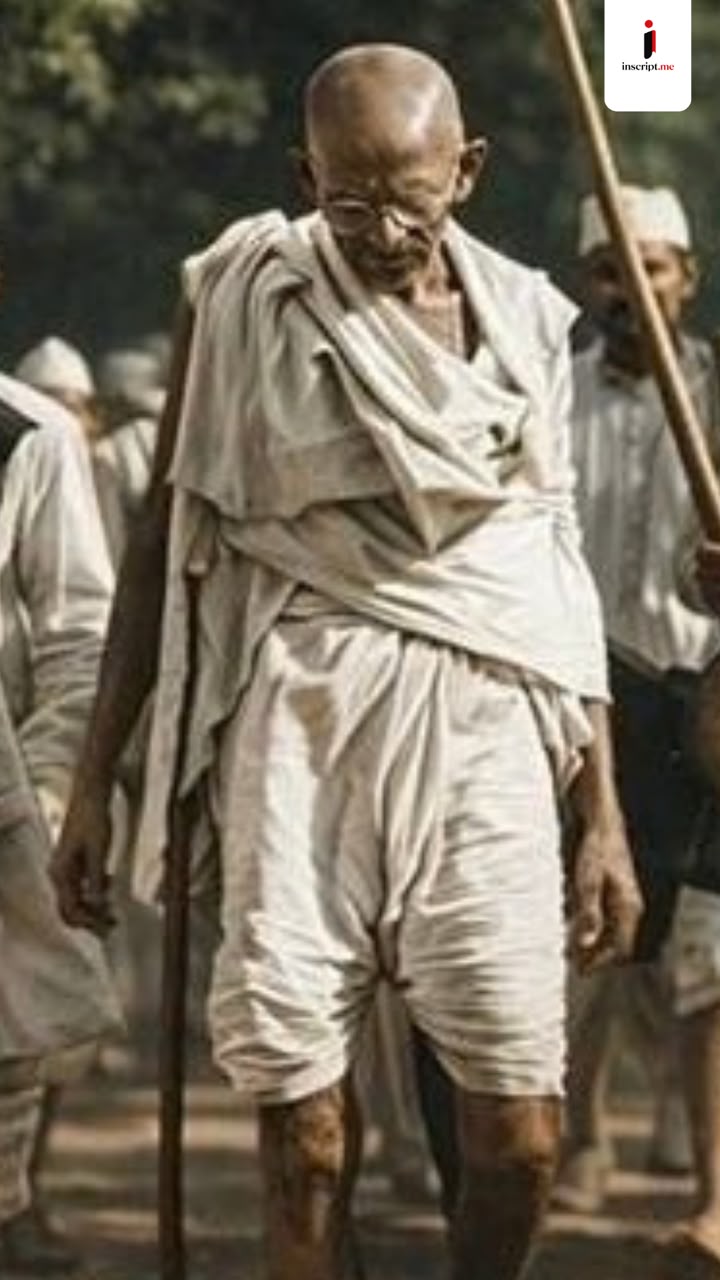
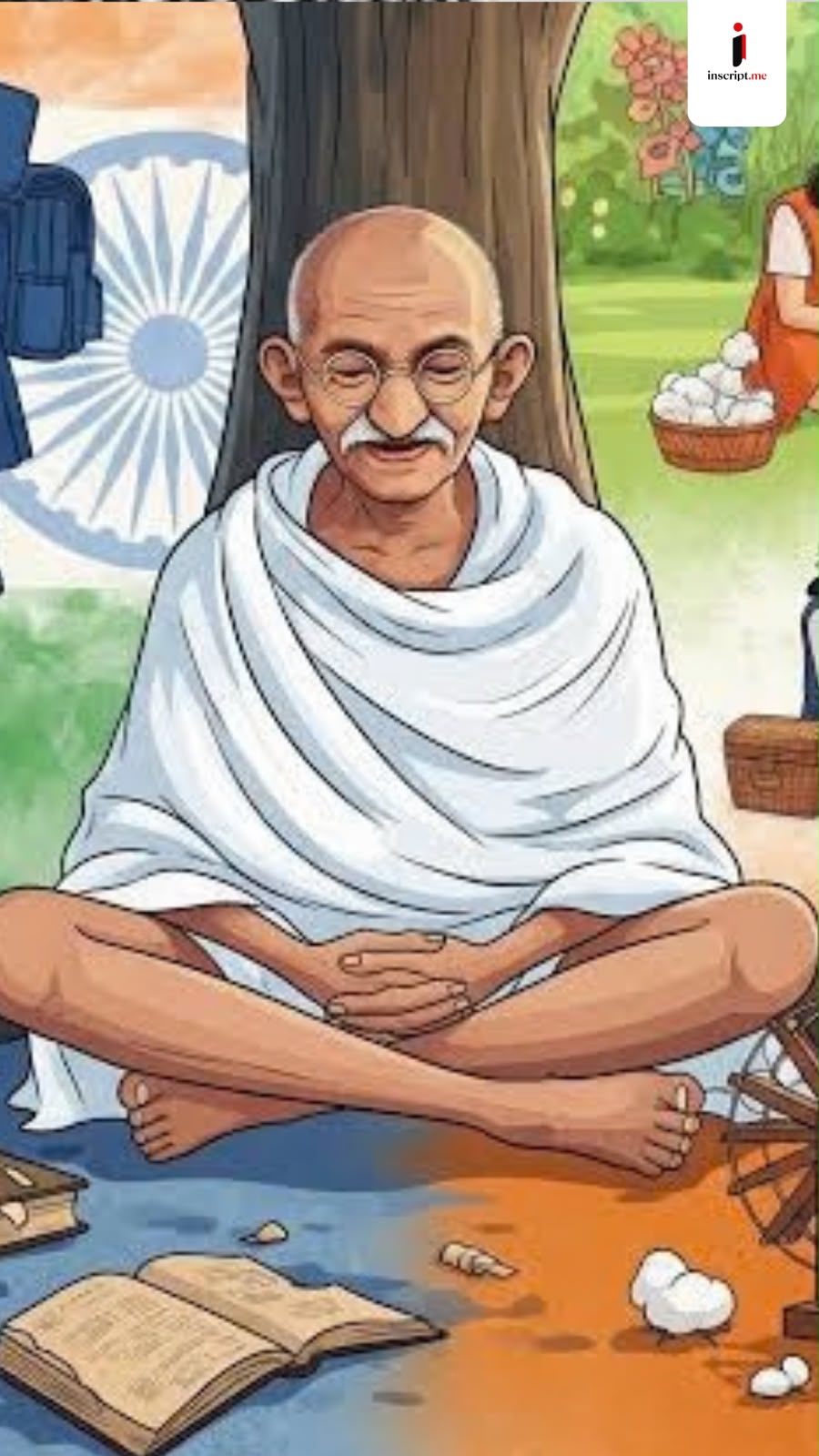




How Gandhi keeps coming back to India’s protest politics
At Jantar Mantar, protesters are demanding that caste no longer determine access to opportunity. Outside the protest site, however, caste continues to shape who gets to marry, study, work, access resources — and, at times, survive. This reportage examines the gap between the demand to move beyond caste and the evidence of how caste continues to operate.
A red flag burned inside a university campus. Days earlier, the Prime Minister warned of 'dimaagi Naxals' who, he said, must be 'identified and isolated'. In between these moments lies a question larger than the mob attack and violence in Jadavpur University: when dissent, Left politics and student mobilisation are repeatedly cast as threats, what exactly is being fought—and why?
The Election Commission faces scrutiny over 14 objections, voter-roll revisions and questions about how decisions are made inside the poll panel.
Ind-New Zealand FTA- India and New Zealand will launch a milestone FTA on October 20, 2026, dropping tariffs to boost bilateral trade.
For nearly 270 years, Sovabazar Rajbari’s Durga Puja has preserved a distinctive Bengali food tradition where vegetarian rituals coexist with fish and meat. From the offering of magur fish on Navami to elaborate feasts, its customs reveal how food, faith, family and ritual have remained intertwined through generations, offering a window into Bengal’s culinary heritage.

Trinamool Congress, Celebrity politics: From cinema screens and cricket fields to campaign stages, celebrity politics has become a defining feature of West Bengal's electoral landscape. But does fame translate into political accountability? As parties increasingly bank on public image over ideology, the article asks whether visibility can truly substitute for sustained democratic leadership and public representation.
India, Bangladesh: India's decision to resume tourist visas for Bangladeshi nationals signals more than a diplomatic thaw. As patients, students and families begin crossing the border again, Kolkata's hospitals, hotels and local businesses are witnessing the first signs of recovery, revealing how people-to-people movement often precedes the restoration of bilateral trust.
FIFA Worldcup, Football, Messi stats: Modern football is obsessed with high-speed running, but one of its greatest player dominates by standing still. Dive deep into the reality of Lionel Messi’s "cognitive monopoly." How football’s ultimate thinker maps opposing structures, uses human psychology, and shatters the rigid tactical systems of robotic coaching.
Bangladesh after July Uprising: July 2024, the fall of Sheikh Hasina—it promised a democratic reset. An interim government, a landmark election and a new administration under Tarique Rahman. But has that promise translated into reform, recovery and democratic renewal? This explainer traces Bangladesh's journey from a revolution to governance, asking whether the country's biggest political upheaval in decades changed the system—or merely its leadership.
Sri Lanka, Economics: The Aragalaya protests in 2022 that led to the eventual resignation of Gotabaya Rajapaksa—came to symbolise the collapse of Sri Lanka's economy and political establishment. Three years later, the World Bank has restored the country to the ranks of upper-middle-income status. Yet the country's recovery story remains far more complicated than the statistics suggest.
New Education Policy, Youth Politics:The politics of textbooks is rarely just about education. Textbooks in India have changed with governments often enough to suggest a familiar political ritual. From NCERT textbook revisions to the New Education Policy and renewed UGC guideline, education has become a site of ideological contestation. West Bengal is no exception and the shift from Surhrawardy Avenue to Gopal Mukherjee road is a subtle specimen. The dig however is deeper.
From Nazi Germany and Fascist Italy to FTII’s 2015 student movement and the recent violence at SRFTI, the history of film education reveals a recurring struggle over cultural autonomy. Film schools can become targets of political power precisely because they teach more than filmmaking: they cultivate critical thought, independent expression and the ability to question dominant narratives and institutions.
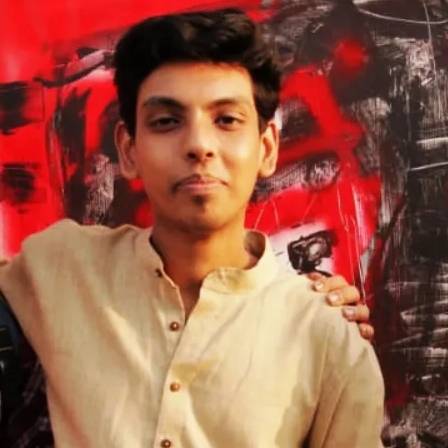
As Narendra Modi celebrates Bhagat Singh’s courage and sacrifice, the revolutionary’s socialist, Marxist, atheist and anti-communal politics raise a sharper question: would today’s political vocabulary have branded Bhagat Singh a 'dimagi Naxal'?
Dimagi Naxal is emerging as a political shorthand for delegitimising dissent, with its amorphous definition allowing ideological labelling to spill into campus intimidation, identity-based targeting and the policing of critical thought.
Yemen’s fragile post-2022 calm is collapsing as Houthi forces expand along the Red Sea coast and seize strategically important territory near Bab al-Mandab. But the story goes far beyond Iran and the Houthis. It is rooted in Yemen’s religious and political history, shaped by Saudi-Iranian rivalry and now linked to Gaza, global shipping, energy security and the future of Yemen itself.
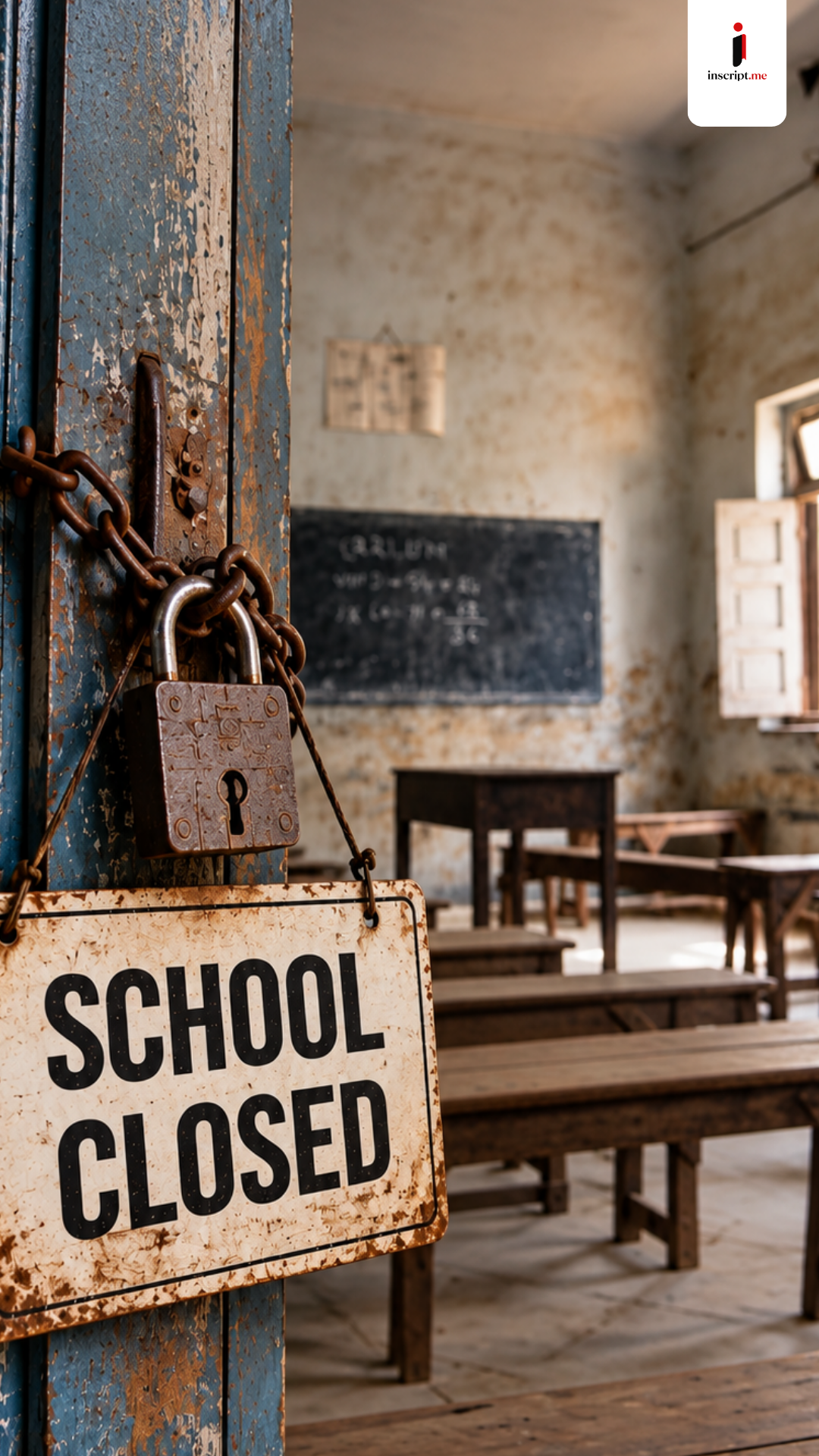
West Bengal’s decision to close 933 government-aided schools with little or no enrolment raises a larger question about the future of public education. While administrative restructuring may be necessary in some cases, the government must first examine why these schools became empty, whether their decline could have been reversed, and how closures will affect communities, access and public trust in government schools.
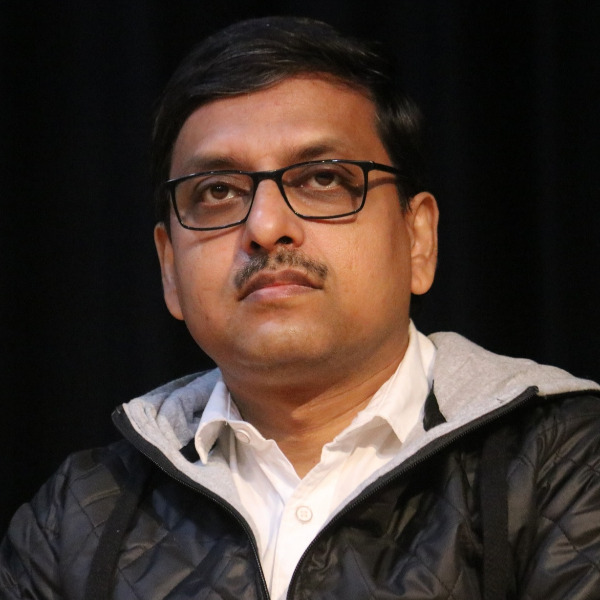
West Bengal’s decision to close 933 government-aided schools with little or no enrolment raises a larger question about the future of public education. While administrative restructuring may be necessary in some cases, the government must first examine why these schools became empty, whether their decline could have been reversed, and how closures will affect communities, access and public trust in government schools.
Supreme Court of India, Women's labour: The Supreme Court's recognition of homemakers as "nation-builders" marks a watershed in acknowledging unpaid domestic labour. But beyond legal recognition, the article traces the colonial origins of the ideal housewife, exposing how patriarchy, economic dependence and invisible care work continue to shape women's lives in contemporary India.

Mamata Banerjee's politics of recognition: Mamata Banerjee’s welfare and development boards transformed identity politics in West Bengal through state patronage rather than grassroots mobilisation. While presented as instruments of empowerment for marginalised communities, they also reshaped electoral alignments, regional power structures and the politics of recognition, leaving a legacy that continues beyond her government.
Cockroach Janata Party, Sonam Wangchuk: Jantar Mantar has always across the years been the unshakable ground of protests. From Anna Hazare to Sonam Wangchuk it has always witnessed resistance. However as history has seen the language of resistance changes with the times it is being put up at, the Cockroach Janata Party resistance itself is a testimony to that today.
Jute industry, Arjun Singh: West Bengal's jute industry is not collapsing because of raw jute shortages but because of policy failures, weak regulation, and poor labour protection. Temporary supply disruptions have become a convenient excuse for mill closures, wage denial, and casualisation. Sustainable revival requires accountable governance, strict enforcement of labour laws, and workers' rights.
No items found