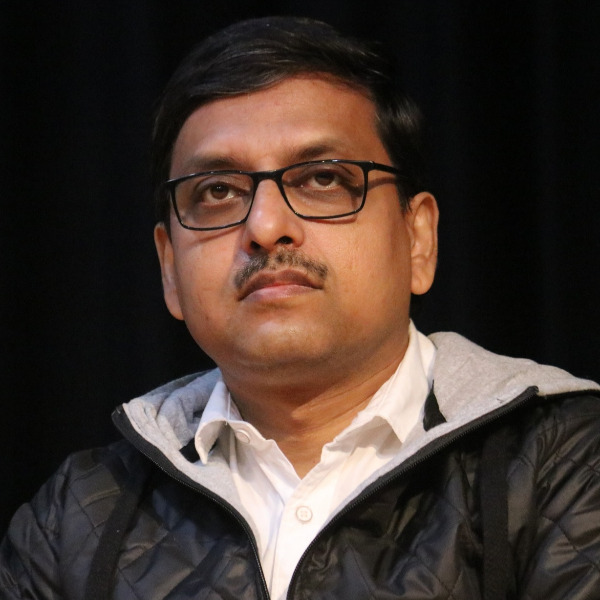
Anna Hazare protest politics: why his letter to PM Modi and silent fast matter
Fifteen years after the anti-corruption movement that reshaped India's political landscape, Anna Hazare has once again stepped into a nationwide agitation—this time through a letter to Prime Minister Narendra Modi and a symbolic 'maun andolan' in support of protesting students. Why does his intervention matter now.
Perhaps the most striking difference between 2011 and 2026 is Hazare's role is that he has travelled from leading a movement to legitimising it.
In 2011, he was the movement. The anti-corruption campaign around the jan-lokpal movement revolved around his indefinite fast, his moral authority and his direct negotiations with the Union government. Yesterday's protest was fundamentally different. Hazare neither announced a nationwide agitation nor attempted to lead the students. Instead, he consciously positioned himself as a constitutional elder lending moral legitimacy to a movement whose organisational ownership remained with the students. His silent protest was therefore an endorsement, not a takeover.
Did the language shift?
The language of Hazare's latest intervention is noticeably different from his earlier campaigns.
During the Jan Lokpal movement, his rhetoric centred on corruption, systemic cleansing and public mobilisation. His letter to Prime Minister Narendra Modi adopts a constitutional vocabulary. Rather than calling for confrontation, Hazare repeatedly emphasises dialogue, democratic responsibility and ministerial accountability. Even while supporting demands for Union Education Minister Dharmendra Pradhan's resignation, he argues that accepting political responsibility strengthens democratic institutions rather than weakens governments.
That evolution reflects a major shift.
Hazare chose maun andolan instead of another indefinite hunger strike.
The symbolism here itself becomes the political message.
Silence has long occupied a place within Gandhian protest traditions—not as political withdrawal but as moral communication. By refusing fiery speeches or mass mobilisation, Hazare transformed silence into criticism. The absence of slogans itself became the statement: that dialogue had broken down sufficiently to require symbolic intervention.
But what is the difference?
The movement Hazare has supported differs fundamentally from the agitation that brought him national prominence.The 2011 mobilisation was directed against political corruption.
The present movement is rooted in allegations concerning examination integrity, educational infrastructure and institutional credibility.
Yet Hazare identifies a common thread linking both: public trust in state institutions.
His expression therefore broadens the debate from NEET to governance itself.
Hazare's protests were not directed towards mobilisation of a mass movement.Its political significance lies elsewhere.
When one of India's most recognisable anti-corruption campaigners publicly characterises police action against students as distressing and violent, writes directly to the Prime Minister urging dialogue, and endorses ministerial accountability, he changes the moral framing of the debate.
Rather than asking whether the students' demands are politically inconvenient, the discussion shifts towards whether democratic governments should negotiate with peaceful protesters.
Hazare's return is therefore a reflection of how protest politics itself has evolved. Fifteen years ago, he sought to build a movement powerful enough to compel legislative change. Today, he has deliberately chosen not to become the movement. Instead, his intervention reinforces the autonomy of student leadership while lending it moral weight through constitutional language, symbolic restraint and appeals for dialogue. That transformation is perhaps the most revealing aspect of his return. It suggests that Hazare no longer sees his role as mobilising crowds, but as safeguarding the democratic legitimacy of those already on the streets. In that sense, his two-hour silence may prove politically louder than many speeches.