How is Saida Fakir surviving in Bangladesh after the alleged pushback?
From a Mumbai detention camp to informal frontier expulsion: Saida Fakir’s harrowing account in Satkhira exposes the raw edge of extrajudicial deportations along the India-Bangladesh border. Allegedly denied access to legal counsel and subjected to summary pushback without formal extradition or consular verification, her case fuels rising international concern over arbitrary detention, statelessness risks, and procedural irregularities in cross-border migration enforcement.
Dhaka: Sheltered in Satkhira, Saida Fakir waits to return home.
The Indian woman alleges she was detained in Mumbai and forcibly pushed into Bangladesh. She is now surviving on the generosity of a family in Satkhira as she awaits a way back to India.
Satkhira, Bangladesh:
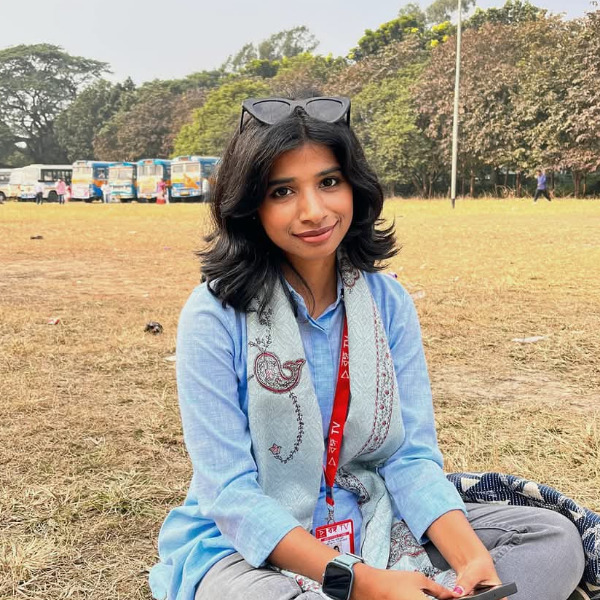
For the past five days, Saida Fakir has been living in a modest home in Bhadiyali village in Bangladesh's Satkhira district, dependent on the generosity of strangers for food and shelter. The Indian woman, who alleges she was forcibly pushed into Bangladesh after being detained in Mumbai, says her only wish now is to return to India and reunite with her two children, aged 23 and 14.
Saida is currently staying with Abul Bashar and his wife Arifa Begum in Bhadiyali village under Sonabaria Union in Kalaroa upazila. With no money, phone or official documents in her possession, she says she has nowhere else to go while she waits for authorities to facilitate her return.
According to Saida, the ordeal began on the night of July 18 or 19 when she was returning home from a local market in Mumbai. She alleges that a group identifying themselves as CID officers detained her, confiscated her mobile phone and refused to examine the Indian identity documents she carried. She says she was then taken to Mumbai's Chembur detention camp, where she remained for four days without being allowed to contact her family.
Saida claims that although her relatives reached the detention centre with documents establishing her Indian citizenship, officials did not consider them. She further alleges that she was later flown to Assam and forced across the India-Bangladesh border along with several others. After crossing the border, the group became separated, leaving her to make her way alone while ill and exhausted until she eventually reached the Benapole area.
It was there that Abul Bashar found her while returning from a visit to a doctor. Seeing her injured and distressed, he brought her home. His wife, Arifa Begum, said Saida was covered in mud, her clothes were torn and her hands and feet were swollen when she arrived.
'She kept crying and begged us to take her home. She said she had children waiting for her in India and had no money. We could not leave her there,' Arifa said. The family has been sheltering and caring for her ever since.
Saida says she is a resident of Gobindapur village in West Bengal's North 24 Parganas district and had lived in Mumbai with her family for nearly two decades. Her husband had returned to Basirhat about a month before the incident following the death of his father, while their children remain in India.
Local authorities have begun looking into the matter. Union Parishad member Iqbal Hossain confirmed that an Indian woman is staying in Bhadiyali village and said preliminary inquiries suggest she did not enter Bangladesh through the local Satkhira border.
Kalaroa police station Officer-in-Charge HM Shahin said police had been sent to the village after learning of the incident and would decide on the next course of action after verifying the facts.
Saida's case bears striking similarities to those of Sweety bibi and Sunali Khatun, two other Indian women who recently alleged they were wrongly detained and pushed into Bangladesh despite claiming Indian citizenship. Like those cases, Saida's account raises fresh questions over due process in cross-border deportation operations and the possibility of Indian citizens being mistakenly identified as Bangladeshi nationals. While Indian authorities have not publicly responded to Saida's allegations, her story adds to a growing list of cases that have drawn attention from rights groups and legal experts on both sides of the border.
Arrangement: Dhakastream