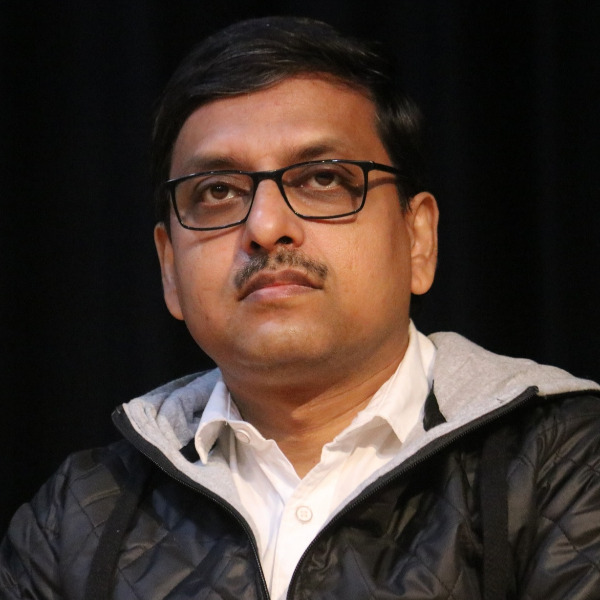
Protests against Gyanesh Kumar intensify over Electoral Roll Revision
Protests demanding Chief Election Commissioner Gyanesh Kumar’s resignation spread across Delhi and Mumbai on Gandhi Jayanti. While demonstrators in Delhi were detained amid restrictions around Jantar Mantar, a similar mobilisation was called at Mumbai’s Shivaji Park. The protests centre on the Special Intensive Revision of electoral rolls, voting rights, transparency within the Election Commission and its appointment process.
On October 2, Gandhi Jayanti, protests and administrative restrictions unfolded in two Indian cities. In Delhi, protesters demanding the resignation of Chief Election Commissioner Gyanesh Kumar gathered around Jantar Mantar. In Mumbai, the Cockroach Janta Party (CJP) held a parallel programme at Shivaji Park with the same demand. At the centre of both protests were questions surrounding the functioning of the Election Commission, revision of electoral rolls and the Special Intensive Revision (SIR).
In Delhi, police barricaded several roads leading towards Jantar Mantar from the morning. Tolstoy Marg, Janpath Road and Parliament Street were under heavy surveillance. Section 163 of the Bharatiya Nagarik Suraksha Sanhita was imposed in the New Delhi district, restricting gatherings of five or more people without permission. The restrictions also affected Delhi Metro services, with services suspended or regulated at at least 12 stations, including Rajiv Chowk, Central Secretariat, Janpath, Patel Chowk and Mandi House.
Despite the restrictions, protesters gathered in small groups at different locations and attempted to march towards Jantar Mantar while raising slogans. Police detained them and took them to different police stations in buses. Those detained included former Delhi Chief Minister Atishi, social activist Yogendra Yadav, AISA president Neha Bora, Aam Aadmi Party leader Saurabh Bharadwaj and RJD MP Manoj Jha. Around 50 to 60 protesters reportedly staged a sit-in for some time in the Janpath area.
Tensions also rose when Neha Bora was detained. According to a report by The Quint, protesters stopped the police bus and pulled her out. The protest had been called by a section of student leaders, activists and lawyers, including Neha Bora, lawyer Prashant Bhushan and Manoj Jha. They alleged that certain decisions taken during the electoral-roll revision process had raised concerns over citizens' voting rights.
The protests stem from the prolonged controversy surrounding SIR. Opposition parties and several civil society organisations have alleged that the electoral-roll revision process could result in eligible voters being excluded. The Election Commission, however, has maintained that SIR is intended to remove the names of deceased, shifted, duplicate and otherwise ineligible voters and make electoral rolls more accurate. The Commission has also rejected allegations of political bias.
The controversy intensified after reports emerged of internal differences within the Election Commission. An investigative report published by The Indian Express on September 23 claimed that Election Commissioners Sukhbir Singh Sandhu and Vivek Joshi had raised objections at least 14 times over around 10 months on various decisions concerning electoral rolls, voter registration and the Commission's digital systems. The report prompted fresh questions about the functioning of the poll panel.
The Election Commission, however, offered a different interpretation. It said that differences of opinion within a three-member Commission are not unusual and that internal deliberations should not be portrayed as a breakdown within the institution. On SIR too, the Commission has maintained that the objective is to clean up and make electoral rolls more accurate.
Meanwhile, Mumbai also witnessed a protest call on October 2. CJP leader Abhijeet Dipke called for a jail bharo andolan at Shivaji Park. Mumbai Police did not grant permission for the programme, citing concerns related to noise pollution, traffic congestion and access to nearby hospitals. The organisation nevertheless said it would proceed with the programme.
The CJP's demands include Gyanesh Kumar's resignation, suspension of the process of deleting voters under SIR, restoration of the January 2025 electoral rolls as the basis for elections, and greater transparency in the appointment of Election Commission members. The organisation has also called for changes to the 2023 law governing the appointment of Election Commissioners.
The protests have therefore brought a wider set of questions into focus: how electoral rolls should be prepared and revised, how transparent the Election Commission's decision-making should be, and what safeguards are necessary to protect voting rights. The focus will now be on how far these protests spread and how the Election Commission and the Union government respond.