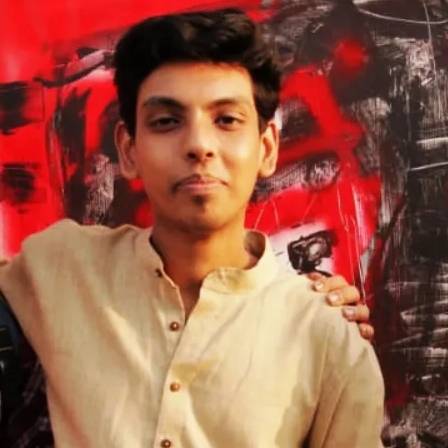
Nadeem Ahmed arrest: Delhi Police probe AI-generated poster and reel circulated during protest
Delhi Police arrested 24-year-old Nadeem Ahmed over allegedly AI-generated posters and reels falsely presented as CCTV footage during October 3 protests.
Delhi Police has arrested 24-year-old Nadeem Ahmed for allegedly creating and circulating AI-generated material that falsely depicted a police officer sexually assaulting a woman during the October 3 protest against Chief Election Commissioner Gyanesh Kumar.
Ahmed, a resident of Palwal in Haryana, was arrested on October 5 from the Mewat region. Police said he was subsequently produced before a court for police custody for further investigation.
The case focuses on AI-generated reels and posters that Delhi Police said were circulated on Instagram and Facebook, presented as genuine CCTV footage from the protest site.
What did the material show?
According to Delhi Police, its social-media monitoring team detected reels and posters that showed a person dressed as a police officer apparently engaging in sexually inappropriate conduct with a woman.
Police said the material falsely identified the officer as ACP Vivek Bhagat by displaying his photograph, name and designation alongside the purported footage.
One report claimed the material included an AI-generated poster in which a police officer was shown groping a woman, made to look like a screenshot from CCTV footage. Another report claimed the circulated reels used or manipulated footage and were presented as genuine CCTV.
Delhi Police has described the material as fabricated and said AI tools were used in its creation.
Who is Nadeem Ahmed?
Police identified the accused as Nadeem Ahmed Ameen, 24, a resident of Palwal district in Haryana.
According to police, Ahmed claimed to be an independent journalist and operated an Instagram account called News Aina Today, using the handle @news_aaina0776.
The account was created in April 2026 and had around 24,000 followers and 1,226 posts, police said.
Police also said Ahmed had studied at a madrasa in Saket and had not cleared Class 10. His father is a retired government Urdu lecturer, and Ahmed is the sixth of seven brothers, according to the police account reported by PTI.
How did police trace him?
Delhi Police said its social-media monitoring unit first detected the allegedly fabricated material on Instagram and Facebook.
Investigators then traced one of the accounts involved in circulating the material to Ahmed, police said.
According to investigators, the Instagram account was logged into a mobile phone recovered from Ahmed. Police also said photographs and other material connected with the allegedly fabricated content were found in the phone's gallery.
Police said Ahmed was arrested on October 5 after being traced to the Mewat region.
What does police allege about his motive?
Additional DCP (New Delhi) Manjeet Sheoran said during a press briefing that police believe Ahmed created and circulated the material to tarnish the image of Delhi Police, create unrest and turn protesters against the force.
Police are also investigating whether other people were involved.
Investigators said they are examining the source of funding, identifying possible associates and checking whether the circulation of the material was part of a larger, pre-planned conspiracy connected with the protest.
These remain police allegations and areas of investigation.
The case came amid a separate complaint
The arrest took place against the backdrop of a separate controversy involving ACP Vivek Bhagat.
A woman journalist had complained that Bhagat behaved inappropriately towards her while she was covering the October 3 protest. Two other women journalists also made complaints alleging sexual harassment by police personnel during the protest. Delhi Police said the complaints were transferred to the Crime Branch for investigation.
The Cyber Police case involving Ahmed is separate from the complaint against Bhagat. The Crime Branch is investigating the woman's complaint independently.
The distinction is significant for the chronology of the case: the AI-generated material became a separate cybercrime investigation, while the allegations made by journalists against police personnel remained under examination by the Crime Branch.
What are the charges?
Delhi Police registered the case at the Cyber Police Station in New Delhi district on October 4.
According to the PTI report published by The Economic Times, the FIR invokes Sections 352, 353(1)(c), 336(3), 336(4), 340(2) and 294 of the Bharatiya Nyaya Sanhita. Police described the provisions as covering matters including intentional insult, public mischief, forgery, damage to reputation through forged material, forged electronic records and obscene material.
Ahmed was granted police custody after being produced before the court.
What are investigators examining now?
Delhi Police is investigating whether Ahmed acted alone and whether other social-media accounts or individuals helped circulate the material.
Police are also examining the alleged source of funding and whether there was a wider conspiracy behind the creation and circulation of the content.
Meanwhile, the investigation into the complaint against ACP Bhagat is continuing separately. The Delhi government also modified an October 5 order after Bhagat requested that he not take up an additional DCP charge until the inquiry into the allegations was completed.
For now, the Nadeem Ahmed case concerns the alleged creation and circulation of AI-generated and manipulated material presented as authentic footage from a protest. Delhi Police has arrested Ahmed and is investigating how the material was produced, circulated and whether others were involved.