West Bengal is a culturally rich state in eastern India, known for its literature, art, festivals, and historic cities like Kolkata.
Political Leaders: Neha Bora has emerged as a powerful face of resistance against alleged vote theft and state repression. But as her popularity grows, so does the danger of hero worship. Why movements must celebrate their leaders without turning comrades into gods.


West Bengal Bypolls: The BJP leads by massive margins in the Nandigram and Rejinagar bypolls, raising questions about opposition unity and changing electoral equations in West Bengal. The results also spark debate over minority voting patterns and the BJP’s expanding political reach.
A political row has erupted at Jadavpur University after a Left-led convention featuring AISA national president Neha Bora. Amid allegations of procedural lapses and protests from ABVP and ABRSM, Vice-Chancellor Chiranjib Bhattacharya dissolved the programme approval and monitoring committee.
The Nandigram and Rejinagar by-elections are the first major electoral test of Bengal’s new political landscape after the BJP’s 2026 Assembly victory. Amid high turnout, electoral-roll disputes, arrests and allegations of irregularities, the contests raise wider questions about democracy and representation.
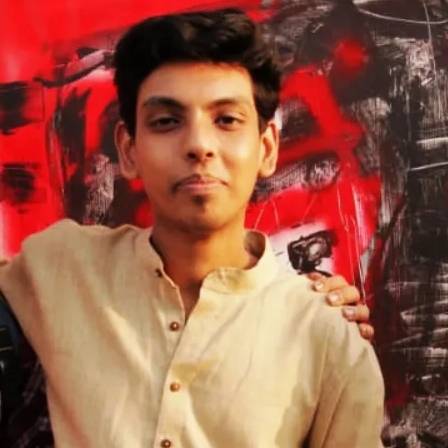
“When blood is shed in Delhi, Kolkata feels the pain. And when blood is shed in Kolkata, Delhi will surely stand with us.” From battered bodies to unbroken voices, Neha Bora’s message was simple: resistance survives through solidarity across cities and struggles.
For 220 years, Darjipara’s Rajkrishna Mitra Bari has held Durga Puja in its own distinctive way. From raw ingredients offered as naivedya and sugar replacing animal sacrifice to fish-rice before Dashami Boron, every ritual carries a story of family and tradition.
West Bengal’s post-election violence has raised fresh questions about political accountability. As allegations, arrests, court proceedings and independent conflict data point in different directions, the BJP continues to deny responsibility. The larger question remains: how long can political denial survive evidence?
From July to October, protests over alleged delays and non-receipt of Annapurna Bhandar payments have surfaced across West Bengal. Women have surrounded government offices, blocked roads and, in one reported instance, railway tracks, with fresh demonstrations emerging at Kolkata’s Seva Setu camps.
NCERT’s new Class IX Social Science textbook reframes medieval Indian history through invasion, resistance, religious motives and civilisational conflict. Its accounts of Arab, Turkic, Mughal and European forces, alongside Jat, Sikh, Rajput and Ahom resistance, have triggered debate over historiography, ideology and pedagogy. References to traditional beliefs involving Hindu goddesses further raise questions about evidence, memory and teaching history.
West Bengal’s decision to close 933 government-aided schools with little or no enrolment raises a larger question about the future of public education. While administrative restructuring may be necessary in some cases, the government must first examine why these schools became empty, whether their decline could have been reversed, and how closures will affect communities, access and public trust in government schools.
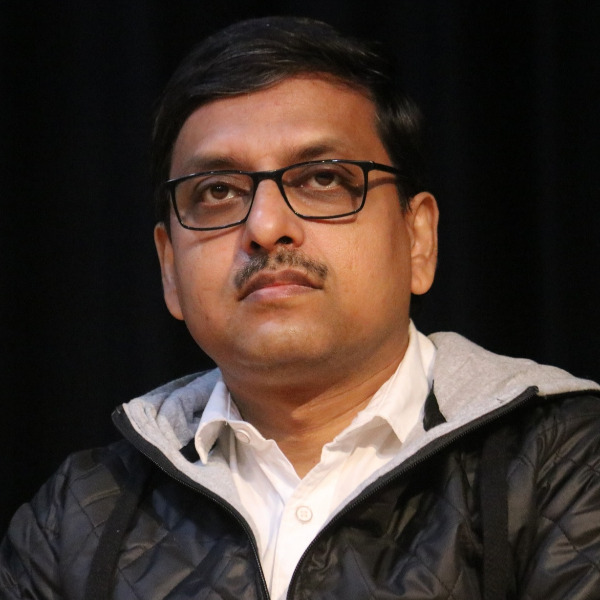
Srijit Mukherji’s Winkle Twinkle examines whether communism can survive changing times, generations and political realities. Through Sabyasachi Sen’s return to a transformed world, the film explores ideological faith, political relevance, adaptation and the uneasy inheritance of political belief.

For nearly 270 years, Sovabazar Rajbari’s Durga Puja has preserved a distinctive Bengali food tradition where vegetarian rituals coexist with fish and meat. From the offering of magur fish on Navami to elaborate feasts, its customs reveal how food, faith, family and ritual have remained intertwined through generations, offering a window into Bengal’s culinary heritage.
Workers of Hantapara, Dhumchipara and Garganda tea gardens, along with land-affected residents of Torsa Tea Garden, took out peaceful padayatras on September 22, seeking to place their long-pending demands before Chief Minister Shubhendu Adhikari. While tea workers demanded unpaid wages and other dues, Torsa protesters sought protection of land, homes and livelihood rights amid the proposed land-port project.
A Christian family in Howrah’s Bhatora has alleged attacks, threats and intimidation by neighbours over their religious faith. The family claims they were assaulted, locked inside their home and threatened with expulsion from the village and India. Police have deployed civic personnel outside their house. The allegations have renewed questions over religious freedom and the safety of Christians in West Bengal.
India’s political history has repeatedly been shaped by party splits, leadership struggles, ideological differences and electoral calculations. From the Congress split of 1969 and the Janata Party’s collapse to the divisions within Shiv Sena, NCP and the Trinamool Congress in 2026, these ruptures have reshaped political alliances, party identities and election symbols, while raising continuing questions about majority, legitimacy and the anti-defection law.
Taslima Nasrin, Literature festival : When Taslima Nasrin steps onto the stage at Rabindra Sadan on August 1, it will mark her first visit to Kolkata since November 2007, when violent protests over her writings forced her to leave the city. Officially, she is returning to participate in an anti-fundamentalism literary programme, where she is expected to recite poetry and join a public discussion. Politically and culturally, however, the visit carries significance far beyond literature.